
Root canal treatment is a dental procedure used to remove infected or inflamed tissue and bacteria from the pulp chamber and root canals of a tooth. The canals are then cleaned and disinfected, filled, and the tooth is restored so it can regain its strength, appearance, and normal function.
What Are the Parts of a Tooth?
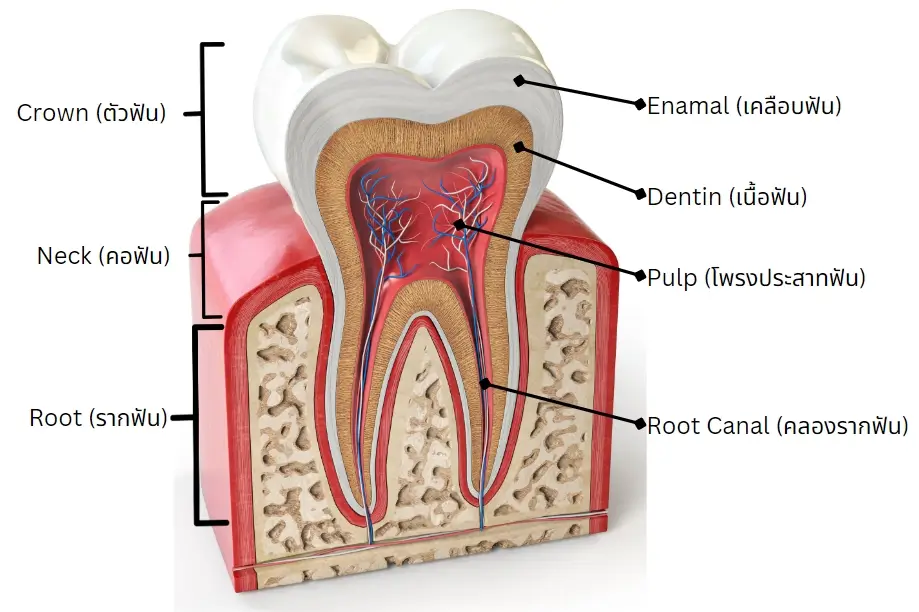
Enamel
Enamel is the hardest substance in the human body. It is made primarily of hydroxyapatite and serves to protect the softer inner parts of the tooth from chewing forces. Enamel contains no nerves or blood vessels, which is why we do not feel pain directly from the enamel itself. It also cannot naturally regenerate once lost. Tooth decay usually begins in the enamel before progressing deeper into the tooth. Enamel is the part of the tooth that we see above the gum line.
Dentine
Dentine is the layer beneath the enamel and surrounds the pulp chamber. It is not as hard as enamel, has a yellowish color, and largely determines the overall shade of the tooth. It also has a certain degree of flexibility, which helps distribute chewing forces that pass through the enamel.
Dentine contains tiny channels called dentinal tubules, which allow pain signals and other sensations to travel to the tooth nerve. This is why, once tooth decay reaches this layer, the tooth often becomes sensitive.
Pulp
The pulp chamber is the space inside the tooth that contains small blood vessels and nerve tissue (the pulp). It is the living part of the tooth. Its functions include forming dentine and transmitting sensations from the tooth to the brain, such as sensitivity and toothache. When decay reaches the pulp chamber, bacteria can enter and cause inflammation or infection of the pulp.
Root Canal
The root canal is a narrow passage that extends from the pulp chamber down to the tip of the root. It is long and slender, and contains blood vessels and nerves. Molar teeth generally have more root canals and longer canals than front teeth, which is why root canal treatment for molars usually costs more and takes longer.
Signs That You May Need a Root Canal
- Toothache, which may come and go or become so severe that it disrupts sleep or causes you to wake up in pain. The pain may worsen when drinking hot or cold beverages or when chewing.
- Severe tooth sensitivity to hot or cold drinks, or pain when biting and chewing.
- Swelling of the gums around the affected tooth. If the inflammation is severe, the face in that area may also become noticeably swollen.
- Tooth discoloration, such as the tooth turning dark or grayish, often with a history of trauma, falling, impact, chipping, or cracking.
However, when the infection becomes more severe, these symptoms may temporarily disappear because the nerves inside the pulp chamber and root canal die. This can make patients think the problem has improved, until the infection spreads further and the pain returns, often more severely than before. The best course of action is to see a dentist promptly for timely treatment.
Why Is Root Canal Treatment Necessary?
- To save the tooth: Teeth with deep decay reaching the pulp, teeth that are cracked, fractured, severely worn down, or damaged by trauma can allow bacteria to enter the pulp and cause infection. Without root canal treatment, the infection may spread into the jawbone and become more serious, potentially leading to tooth extraction.
- To relieve pain: Infection in the pulp can cause toothache, swelling, pain while chewing, and sensitivity. Root canal treatment removes the source of infection and helps relieve these symptoms.
- To preserve tooth strength: A tooth that has had root canal treatment usually needs to be restored with a crown or filling to reinforce it and reduce the risk of fracture.
- To keep your natural tooth: This helps you avoid having to replace the tooth with a denture, bridge, or dental implant.
Causes of Root Canal Infection
A root canal infection occurs when bacteria enter the root canal system. Normally, the root canal is sealed off from the outside environment and protected by the hard tissues surrounding it. However, infection can occur in the following situations:
- Deep tooth decay that reaches the dentine or root canal, allowing bacteria to enter.
- A tooth that is cracked or fractured down to the root canal.
- Severe tooth wear caused by use or improper bite, such as teeth grinding during sleep.
- Gum disease or gum recession, which may make it easier for bacteria to reach the root canal.
How Does a Periapical Abscess Develop?
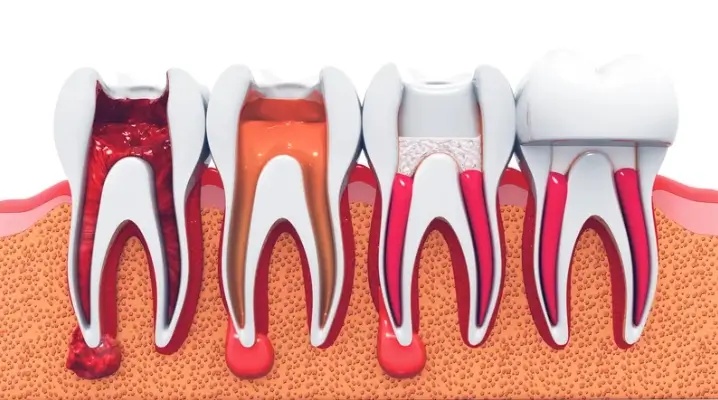
A periapical abscess is an infection at the tip of a tooth root. It develops when bacteria from a deeply decayed tooth spread into the tissues surrounding the root. This often happens when tooth decay is left untreated and bacteria accumulate all the way to the root tip. The result is inflammation and pus formation. Common symptoms include severe pain, swelling, and warmth in the infected area.
In this situation, a filling alone is not enough. Root canal treatment must be completed first.
Types of Root Canal Treatment
Root canal treatment can be divided into two main types:
Conventional Root Canal Treatment

This is the standard method. Small instruments are used to access the pulp chamber through the tooth, and the inside of the root canals is cleaned and disinfected. The canals are then filled with a root filling material called gutta-percha. The tooth is not permanently restored until the infection has been completely removed from both the pulp chamber and the root canal system.
Endodontic Surgery
This is a type of root canal treatment that involves minor surgery at the tip of the root in order to remove infected or inflamed tissue that cannot be eliminated with standard treatment. This may be necessary in cases such as:
- Conventional root canal treatment has failed.
- There is heavy calcification inside the pulp chamber, preventing instruments from reaching the root tip.
- There are fractures or other lesions in the bone around the root tip.
Both types of treatment aim to remove infection and inflamed or infected tissue from inside the tooth so that it can function normally again. However, surgical root canal treatment is generally more expensive than conventional treatment and may require more treatment time.
Which Is Better: Root Canal Treatment or Extraction?
It depends on the condition of the tooth. If the tooth can still be restored, root canal treatment is usually the better option because it preserves the natural tooth, reduces the chance of neighboring teeth shifting, lowers the risk of the opposing tooth over-erupting, and helps reduce jawbone loss. However, after root canal treatment, a crown is often needed to strengthen the tooth, so follow-up visits are important, and there is still some chance of reinfection.
Overall, if the root is healthy and there is enough tooth structure remaining, root canal treatment followed by a crown is often more worthwhile, looks more natural, and is usually less expensive than extraction followed by a dental implant.
Extraction may be considered when the tooth is too badly damaged to repair. It can remove the infection more quickly, but the downside is that the missing tooth should then be replaced. Otherwise, neighboring teeth may tilt, the opposing tooth may over-erupt, and bone loss may occur in that area. However, if the tooth is the very last molar, extraction is often the better option.
How Much Does Root Canal Treatment Cost?
| Item | Price (THB) |
| Anterior Root Canal Treatment | 6,000–10,000 |
| Premolar Root Canal Treatment | 8,000–12,000 |
| Molar Root Canal Treatment | 10,000–20,000 |
| Dental Pulp Treatment for Children | 2,500 |
Note: The prices and treatment durations listed above are only preliminary estimates. Actual costs may vary depending on the patient’s oral condition, the dentist’s treatment plan, and any clinic promotions available at that time.
How to Prepare Before Root Canal Treatment
- Schedule a consultation with your dentist to discuss your symptoms and plan the treatment. The dentist will take an X-ray to assess the extent of the damage and explain the treatment steps.
- Inform your dentist of any medications you are currently taking or any allergies you have.
- Avoid smoking for at least 24 hours before and after root canal treatment.
- Get enough rest.
Steps of Root Canal Treatment
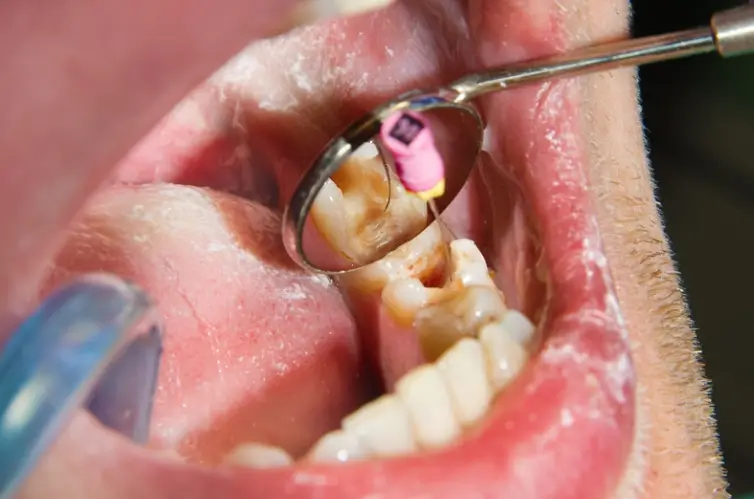
- The dentist examines the tooth and may take an X-ray to assess the extent of root damage.
- Local anesthesia is given before treatment.
- The dentist creates a small opening in the tooth to access the pulp.
- The inside is cleaned and disinfected thoroughly.
- The root canal is filled with a filling material to prevent reinfection.
- The tooth is then restored, for example with a filling or a crown, to improve its strength and appearance.
Today, the materials, equipment, and irrigation solutions used in root canal treatment have improved significantly. As a result, many root canal treatments can now be completed in a single visit. However, every patient is different. If there is pus or bone destruction around the root, medication may need to be placed inside the canal and the tooth sealed temporarily to eliminate bacteria and make sure the canal is clean enough before it can be permanently filled. In such cases, more than one appointment may be needed.
Symptoms After Root Canal Treatment
Common symptoms after root canal treatment include:
- Pain and swelling during the first few days after treatment, gradually improving and usually resolving within 1–2 weeks.
- The tooth may crack or fracture more easily because a root canal-treated tooth is often weaker.
- Reinfection may occur if the canal was not fully cleaned or sealed properly, allowing bacteria to enter again.
Root canal treatment is an attempt to preserve the tooth rather than extract it. Once treatment is fully completed, the tooth may last for a few more years or even a lifetime. However, the tooth becomes a non-vital tooth, meaning the nerves and inner tissues have been completely removed and replaced with filling material. Since the tooth no longer has a blood supply, one noticeable change is that it may become darker in color and more brittle over time. That is why dentists often recommend a post and crown, or sometimes veneers, to improve both strength and appearance.
Aftercare Following Root Canal Treatment
- Wait until the numbness wears off before eating, and avoid very hot or very cold drinks. Eating while still numb may cause you to bite too hard on the treated tooth without realizing it, and also increases the risk of biting your tongue or cheek.
- Some pain or sensitivity is normal. You may take the pain medication prescribed by your dentist as directed.
- Eat soft foods for the first 1–2 days.
- Brush your teeth and rinse your mouth thoroughly after every meal.
- If the temporary filling falls out, return to your dentist immediately, because bacteria may re-enter the root canal.
- Mild soreness or tightness is common during the first 2–3 days, but if the pain continues for many days, you should schedule another dental visit.
- Always attend your follow-up appointments so the dentist can monitor the healing process.
Where Should You Get Root Canal Treatment?
- Root canal treatment is delicate and requires specific expertise, so it is best performed by an endodontist.
- The clinic or hospital should have modern equipment and instruments for safety and better treatment outcomes.
- The treatment area should be clean and sterile to reduce the risk of contamination.
- Read reviews from previous patients who have been treated by that dentist or clinic.
- A location close to your home or workplace is often more convenient for follow-up visits.
Frequently Asked Questions About Root Canal Treatment
Does Root Canal Treatment Hurt?
During the procedure, the dentist will administer local anesthesia, so you should not feel pain during treatment. However, once the anesthesia wears off, some discomfort is normal, and the area may feel sore for about 1–2 days. The more infection or pus there is, the more cleaning is required, which may lead to more post-treatment pain compared with cases that have less infection.
If the pain or swelling continues for more than a week, you should return to your dentist as soon as possible.
Why Does It Still Hurt After a Root Canal?
Sometimes the instruments used to remove tissue and bacteria can irritate the area, causing pain after treatment. Patients can take painkillers as prescribed by the dentist. In some cases, there may be very small root canals that do not show up clearly on a regular X-ray and may require a CT scan to detect. If these tiny canals were not treated, pain may persist. In such cases, you may need to see a more experienced specialist to treat the smaller canals so that the tooth can function properly and be saved instead of extracted.
How Many Visits Are Needed for Root Canal Treatment?
In the past, root canal treatment often required several visits. Today, however, improved instruments and irrigation solutions have made the procedure more efficient, and in some cases it can be completed in a single visit.
That said, not every case can be finished in one appointment. It depends on the condition of the tooth and gums. For example, if there is pus or bone destruction around the root, medication may need to be placed inside the canal and the tooth sealed temporarily to disinfect the area before the final filling can be done.
How Long Does Root Canal Treatment Take?
Root canal treatment can take different amounts of time depending on the complexity of the case and the condition of the tooth. In general, each appointment may take around 30–90 minutes, and some cases require multiple visits.
If several visits are needed, the dentist will usually schedule them 1–2 weeks apart to monitor symptoms and make sure the inflammation is improving.
Can I Have a Root Canal While Wearing Braces?
Yes, but tooth movement usually needs to be paused first. The braces do not have to be removed, but the root canal treatment should be completed before orthodontic treatment resumes. This means the total time spent in braces may become longer.
Is Extraction Better Than Root Canal Treatment?
The answer depends on several factors, such as the condition and location of the tooth, the patient’s overall oral health, and how convenient long-term care will be.
The advantage of root canal treatment is that it preserves the natural tooth, allows normal chewing function, and reduces the risk of complications related to missing teeth. The downside is that treatment may take more than one visit and can be costly.
The advantage of extraction is that it is quicker and usually less expensive. However, once the tooth is removed, it should ideally be replaced with an artificial tooth.
Why Do I Need to See the Dentist After Root Canal Treatment?
- To monitor symptoms and evaluate the success of treatment. The dentist will check whether the tooth still hurts and whether there are any other issues, such as infection or fracture.
- To assess the strength of the tooth. A root canal-treated tooth may have less remaining tooth structure and can become weaker.
- To restore the tooth. A tooth that has had root canal treatment may need additional reinforcement, such as a post or crown.
Does Root Canal Treatment Take a Long Time?
In general, patients usually need 2–3 visits, with each visit taking around 1 hour, spaced about 1–2 weeks apart. However, this depends on the severity of the infection and the number of canals that need to be treated. For example, a canine tooth may have only 1–2 canals, while a molar may have as many as 4–5 canals.
Is a Crown Necessary After Root Canal Treatment?
In general, yes. A tooth that has had root canal treatment usually has less remaining tooth structure because some of the tooth must be removed to clean and fill the canals. This can make the tooth weaker and more prone to fracture. For this reason, dentists often recommend a crown to reinforce the tooth.
Teeth that are especially likely to need a crown after root canal treatment include:
- Teeth with very little tooth structure remaining
- Fractured teeth
- Teeth that are heavily used for chewing
